 Wilson US Open Extra DutyBest overall
- Balls per can
- 3
- Felt
- Extra Duty woven felt
- Best surface
- Hard courts
- Approval
- USTA and ITF approved
Most recommended by reviewers
Check price at Amazon
We earn a commission when you buy through our links, at no extra cost to you. How this works.
Anyone who has cracked open a fresh can only to find a dead ball knows how much a tennis ball changes your whole session. A good one pops off the strings and stays lively for a couple of sets; a bad one turns a Saturday hit into a chore. The right choice mostly comes down to the court you play on and how often you play.
For most people the Wilson US Open Extra Duty is the safest buy: reviewers and club players keep coming back to its steady bounce and long life on hard courts. The others cover tight budgets, bulk stocking, the practice basket and a few extra picks for those who want something different.
1 Wilson US Open Extra Duty | 2 Wilson Championship Extra Duty | 3 Wilson US Open Extra Duty | 4 Wilson Triniti Pro | 5 Dunlop ATP Championship Extra Duty | |
|---|---|---|---|---|---|
| Best for | Best overall | Best budget | Best for stocking up | Best for ball machines and practice | Best alternative to Wilson |
| Balls per can | 3 | 3 | 72 (24 cans of 3) | Not listed | 72 (24 cans of 3) |
| Felt | Extra Duty woven felt | Dura-Weave Extra Duty | Extra Duty woven felt | Not listed | Extra Duty |
| Best surface | Hard courts | Hard courts | Hard courts | Ball machines, baskets, serving practice | Hard courts |
| Approval | USTA and ITF approved | USTA and ITF approved | USTA and ITF approved | Not listed | Not listed |
| Check price at Amazon | Check price at Amazon | Check price at Amazon | Check price at Amazon | Check price at Amazon |
Wilson US Open Extra DutyBest overallMost recommended by reviewers
Check price at Amazon Wilson Championship Extra DutyBest budget
 Wilson US Open Extra DutyBest for stocking up
 Wilson Triniti ProBest for ball machines and practice
 Dunlop ATP Championship Extra DutyBest alternative to Wilson


The ball players argue about least, built for hard courts.
Most recommended by reviewers
Check price at AmazonPrices and availability on Amazon change often.
The Wilson US Open Extra Duty is the can we'd reach for on hard courts, thanks to a steady bounce and a felt built for abrasive surfaces.
This is the ball used at the US Open, and it's approved by both the USTA and the ITF, so it works for league and tournament play. Reviewers say the bounce stays consistent through a match and the woven felt doesn't fluff up excessively on hard courts. Owners say it's their favorite for regular hardcourt play, and some even call it the best ball hands down. A single 3-ball can also makes it easy to try before you commit to more. Owners on r/10s report that the Wilson US Open bounces well, keeps its bounce longer and fluffs up less than most rivals.
A can stays lively for only about a set or two before it softens, so heavy hitters will go through cans quickly. Some owners also find the balls firm, and they're not a good fit for clay. If you play mostly on hard courts and want match-ready consistency, those trade-offs are easy to accept.
If it's not for you, the Wilson Championship Extra Duty suits budget-minded players who want the lowest price per can, while the Wilson Triniti Pro is the one for ball machines and serving baskets.
Of every ball in this guide, the Wilson US Open Extra Duty draws the fewest complaints. Club players and reviewers describe a consistent bounce and felt that does not fluff up fast on hard courts, and some report still getting decent practice hits out of an opened can weeks later.
It is approved by USTA and ITF, so it works for leagues and tournaments as well as casual play. Buy a single can to see if you like the feel before committing to a case.


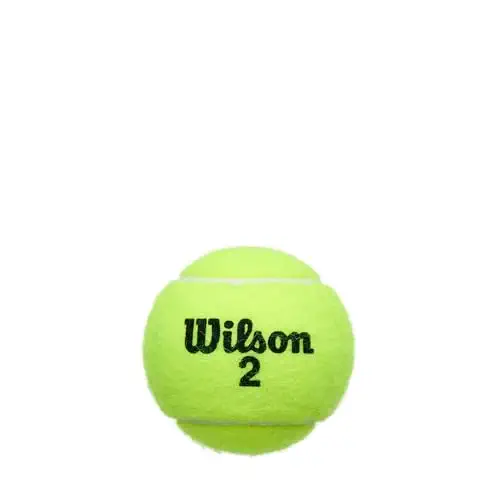

A cheap, dependable can for hitting around.
Prices and availability on Amazon change often.
This is the ball for players who go through cans quickly and want something predictable without paying tournament prices. Reviewers describe great value for practice or league play, with durable felt designed for long matches on hard courts.
The tradeoff is life: it softens sooner than the US Open, so it suits people who open a fresh can each time they play.
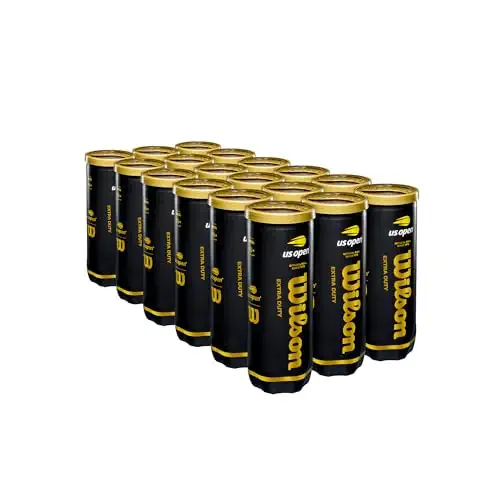
The top ball by the case, for frequent players and coaches.
Prices and availability on Amazon change often.
If you already know you like the US Open, a case is the efficient way to buy it. You get the same competition-approved ball in quantity, which makes sense if you play several times a week or run drills.
Keep cases somewhere cool and use older cans for practice first, since pressurized balls slowly lose pop in storage.

Pressureless balls that keep their bounce for months.
Prices and availability on Amazon change often.
Triniti Pro is for the hundreds of balls you hit in practice rather than a competitive set. Owners report ball-machine balls keeping an almost identical bounce after a year, which is hard to beat for value over time.
It does not play like a pressurized match ball, so many players pair it with a can of US Opens for actual matches.

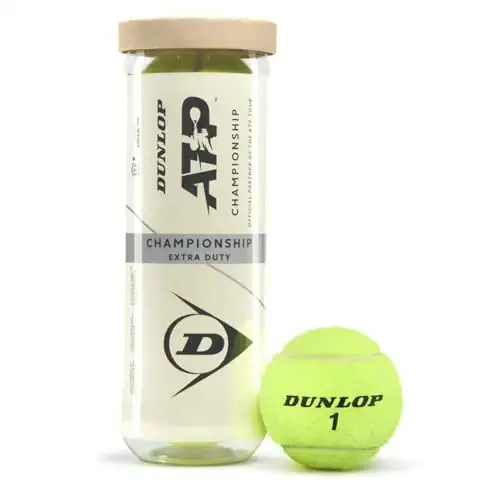


A softer-feeling match ball at a lower case price.
Prices and availability on Amazon change often.
Players who find the US Open stiff often prefer the Dunlop ATP Championship: it feels lighter and softer and handles spin nicely. It costs noticeably less per case.
The catch is that it fuzzes up sooner, so it suits players who prefer feel over longevity.
Start with the surface. Extra Duty felt is thicker and made for hard courts; Regular Duty is thinner and made for clay and indoor courts. If you play often, durability matters more, and a case saves money. If you mostly practice or use a ball machine, pressureless balls last far longer than pressurized ones.
Start with an affordable, durable ball like the Wilson Championship Extra Duty for hard courts. It is cheap enough to replace often and plays predictably. Move up to the US Open once you want a livelier, tournament-style feel.
Choose Extra Duty balls, which have thicker felt for abrasive surfaces. The Wilson US Open Extra Duty is the most consistently recommended, with Dunlop ATP Championship as a softer-feeling alternative.
Regular Duty balls work best on clay, since thinner felt picks up less clay and fluffs less. Wilson and Dunlop both sell Regular Duty versions of their popular balls, and players also mention Wilson Roland Garros and Dunlop Fort Clay.
The guide's listings are made for tennis, and the evidence here does not cover dog play. Check with a vet or pet store for balls designed for dogs, since tennis felt can wear teeth and some balls are not meant to be chewed.
The research here does not cover synthetic grass directly. Players on synthetic surfaces often favor a Regular Duty ball with less fuzz, but check with your court or club for the best match.
Why trust CheckedBest
This shortlist comes from five in-stock listings compared against what tennis writers, club players and owners say about how each ball bounces, wears and holds up. We weighed court surface, durability and price per ball, and kept only balls you can order now.
Our expert team tests products when it is needed and researches online and in interviews. Every guide is fact-checked and edited by a real person.
The CheckedBest editorial team · Updated Oct 28, 2026
How we pickEditorial standardsAffiliate disclosureReport a mistake
We earn a commission when you buy through our links, at no extra cost to you. It never decides the winner.


