 Schutt F7 AiRBest overall
- Lab rating
- Highest rating from Virginia Tech Helmet Lab
- Facemask
- Black carbon steel, attached
- Fit system
- Inflatable Air Liner
- Jaw pads
- Helmet Stabilization System
Most recommended by reviewers
Check price at Amazon
We earn a commission when you buy through our links, at no extra cost to you. How this works.
Picking your kid’s first football helmet feels like a big decision. What most parents land on is simple: a helmet that scores well in independent lab tests, weighs little, and fits snug with no wobble.
The Riddell SpeedFlex covers the premium end, the Riddell Victor is the budget way in, and an adult SpeedFlex covers older, bigger players.
1 Schutt F7 AiR | 2 Riddell SpeedFlex Youth | 3 Riddell Victor Youth | |
|---|---|---|---|
| Best for | Best overall | Best premium | Best budget |
| Size listed | Medium | Large | Large |
| Side protection | Not listed | Patented Side Impact Protection | Patented Side Impact Protection |
| Check price at Amazon | Check price at Amazon | Check price at Amazon |
Schutt F7 AiRBest overallMost recommended by reviewers
Check price at Amazon Riddell SpeedFlex YouthBest premium
 Riddell Victor YouthBest budget
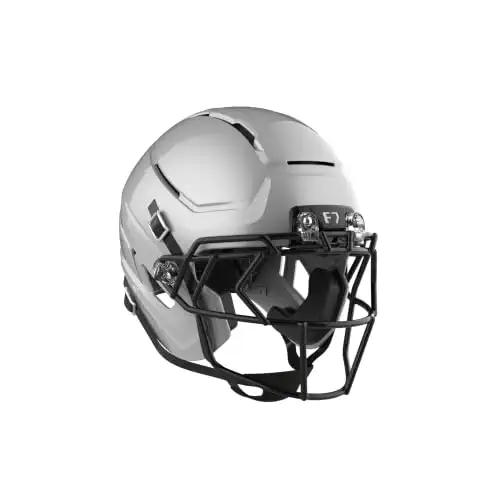


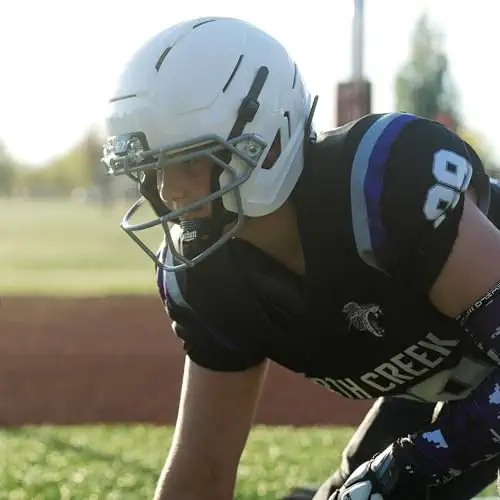
A lightweight, top-rated youth helmet with an inflatable liner to dial in the fit.
Most recommended by reviewers
Check price at AmazonPrices and availability on Amazon change often.
The Schutt F7 AiR is our pick for a young player because it pairs a top independent lab rating with a fit you can adjust as they grow.
The F7 AiR earned the highest rating from the independent Virginia Tech Helmet Lab, and reviewers call it one of the highest-rated helmets in independent safety testing. The inflatable Air Liner lets you dial in fit as your child grows, and the Helmet Stabilization System jaw pads add comfort. The black carbon steel facemask comes already attached, so there is no assembly, and reviewers say it feels lightweight without giving up safety. Owners on r/FootballHelmets report that the F7 Air has a plush, comfortable liner and that one commenter found it more comfortable than other helmets they tried.
The air liner has to be kept inflated, and that is easy to forget with a young child. It's worth building a quick pressure check into the pregame routine so the fit stays right.
If it's not for you, the Riddell SpeedFlex Youth is the premium choice with flex technology and a Ratchet-Loc chin strap, while the Riddell Victor Youth suits smaller budgets and players with undeveloped necks.


The youth version of the helmet worn by top college and pro programs.
Prices and availability on Amazon change often.


A light, affordable first helmet with side-impact protection.
Prices and availability on Amazon change often.

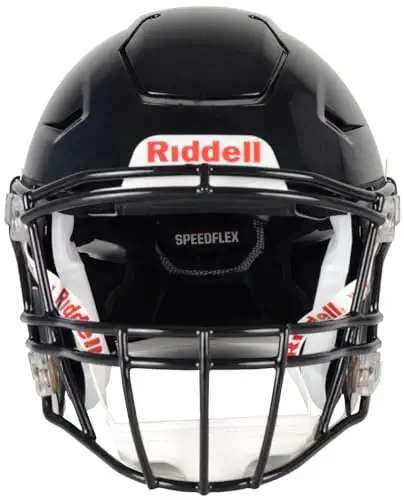


The adult-size SpeedFlex for bigger, older players moving up from youth sizes.
Prices and availability on Amazon change often.
Start with independent lab ratings: look for four or five stars, since more stars mean lower concussion risk in testing. Then filter for weight and fit. A lighter helmet is easier on a young player's neck, and a good fit is snug with no wobble.
A higher price does not automatically mean better protection. Mid-range helmets with strong lab ratings protect well, and kids outgrow helmets fast. If your child may quit within a couple of years, a rated mid-range helmet is the smarter spend.
Independent lab testing from Virginia Tech rates helmets by stars, and four or five stars is what you want. Among youth options, the Schutt F7 AiR earned the highest rating. No helmet eliminates the risk of a concussion.
It depends on what you value. The Schutt F7 AiR is lighter, costs less, and has a five-star lab rating. The Riddell SpeedFlex has flex panels and a strong reputation at higher levels, but it costs more and is heavier.
No helmet is designed to prevent concussions; they aim to reduce impact severity. Choose a helmet rated four or five stars by an independent lab, and make sure it fits snugly, since a properly fitted helmet matters as much as the rating.
Look for the NOCSAE standard, which most youth leagues and schools require. Check your league's rules for approved models, and never use replica, display or collector helmets for practice or games.
Guidance varies. Some sources suggest replacing every five to seven years; for youth players, many advise checking every season and replacing every two to three years, or immediately if the helmet is cracked or worn.
Why trust CheckedBest
This shortlist is built from the helmets compared side by side, drawing on independent safety ratings, buyer guides and owner discussions. Every pick is a youth-sized helmet that is available to buy right now, and we weighed protection, weight, fit and price.
Our expert team tests products when it is needed and researches online and in interviews. Every guide is fact-checked and edited by a real person.
The CheckedBest editorial team · Updated Oct 28, 2026
How we pickEditorial standardsAffiliate disclosureReport a mistake
We earn a commission when you buy through our links, at no extra cost to you. It never decides the winner.