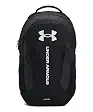
Physix Gear SportBest overall
- Compression
- 20-30 mmHg graduated
- Fit
- Unisex knee-high
- Best for
- Work, travel, recovery
Most recommended by reviewers
Check price at Amazon
We earn a commission when you buy through our links, at no extra cost to you. How this works.
Anyone who has stepped off a long flight, or finished a twelve-hour shift, with heavy, swollen ankles knows why people start looking at compression socks. One nurse described the difference as legs that no longer feel like tree trunks by the end of the day, and that is usually what the search is really about.
Our top pick is the Physix Gear 20-30 mmHg pair: firm, widely recommended and cheap enough to try. Comrad is the gentler choice for travel, VIM & VIGR suits long days on your feet, and the Charmking and ZenToes picks cover bargain multipacks and softer, roomier fits.
1 Physix Gear Sport | 2 Comrad Knee High | 3 VIM & VIGR Compression Socks | 4 CHARMKING Compression Socks | 5 ZenToes Cotton Blend | |
|---|---|---|---|---|---|
| Best for | Best overall | Best for travel | Best for long days on your feet | Best budget multipack | Best for wide feet and calves |
| Compression | 20-30 mmHg graduated | 15-20 mmHg graduated | 15-20 mmHg graduated | 15-20 mmHg graduated | 15-20 mmHg graduated |
| Fabric | Not listed | 91% nylon, 9% spandex | Moisture-wick nylon blend, latex-free | Not listed | Breathable cotton blend |
| Check price at Amazon | Check price at Amazon | Check price at Amazon | Check price at Amazon | Check price at Amazon |
Physix Gear SportBest overallMost recommended by reviewers
Check price at Amazon Comrad Knee HighBest for travel
 VIM & VIGR Compression SocksBest for long days on your feet
 CHARMKING Compression SocksBest budget multipack
 ZenToes Cotton BlendBest for wide feet and calves


A firm, graduated pair that works for work shifts, flights and workouts, at a price that is easy to justify.
Most recommended by reviewers
Check price at AmazonPrices and availability on Amazon change often.
The Physix Gear Sport is the one we'd pick for most people who want compression socks that visibly earn their keep.
It offers 20-30 mmHg graduated compression, firmer than the 15-20 mmHg range every other pick here uses, which suits anyone after noticeable swelling relief. The unisex knee-high fit works for work shifts, travel and recovery, and it comes in many colors and calf lengths. It is also priced well below most name brands, which makes the firmer support easy to try.
That firm compression takes some effort to pull on. If you have never worn compression before, it may feel like a lot at first. If that sounds daunting, a gentler 15-20 mmHg pair is the easier starting point.
If it's not for you, the Comrad Knee High is stretchier and easier to pull on for travel, while the CHARMKING 8-Pair Pack suits anyone who wants the lowest cost per pair.
Physix Gear is the pair that shows up most often when people recommend compression socks for anyone who spends long hours on their feet. The 20-30 mmHg graduated squeeze is strongest at the ankle and eases up the leg, which is the pressure pattern doctors usually describe for swelling and long trips.
It is one of the better-value picks here: a single listing covers men and women, several sizes and plenty of colors. If you are new to compression, many advisers suggest starting lighter, so consider 15-20 mmHg first if you only want everyday comfort.


A soft, stretchy pair that is easy to put on and gentle enough for flights and road trips.
Prices and availability on Amazon change often.
Comrad is a regular recommendation for long flights, with a gentle 15-20 mmHg squeeze that stays firm enough to matter without feeling like a tourniquet. The cuff does not pinch, and the stretchy knit keeps its shape before you even put it on, so getting the sock over your heel is less of a wrestling match.
Wearers on travel and chronic-illness forums often choose it for good fit and durability. If you are between sizes, the maker suggests sizing up.


A moisture-wicking everyday pair made for nurses, teachers and anyone standing all day.
Prices and availability on Amazon change often.
VIM & VIGR is built around the idea that compression socks should look and feel like a normal sock. The moderate 15-20 mmHg support is meant for daily wear, and the wicking fabric helps with the sweaty feet that come with a long shift.
Wearers on nursing and travel threads mention it when other pairs left them with stinky feet. If you prefer thick cushioning underfoot, an athletic-style sock may suit you better.
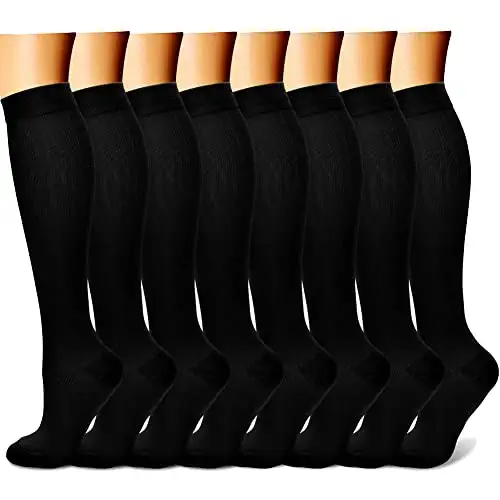


Eight pairs in assorted colors, enough for a full week of wear at a very low price per pair.
Prices and availability on Amazon change often.
If you want to wear compression every day without doing laundry every night, an eight-pack of socks at this price is hard to beat. Editors describe the fabric as comfortable, durable and easy to get on without feeling too tight.
Treat it as a budget workhorse rather than a premium sock. The compression is gentle and the quality is a step below the more expensive brands, which is exactly the trade you are making.


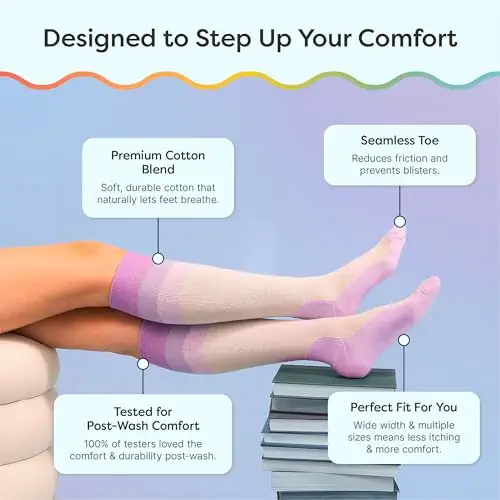
A roomier, cushioned pair with regular and wide widths in every size.
Prices and availability on Amazon change often.
ZenToes stands out because most brands offer only small, medium and large, while this one adds regular and wide widths in each size. That makes it a sensible first try if standard compression socks usually pinch your calves.
A travel editor called it a solid, affordable choice if you only wear compression socks occasionally. It offers gentle but real compression, soft French terry cushioning and a seamless toe.
Most people start with 15-20 mmHg for travel, mild swelling and everyday comfort. It is firm enough to matter without being hard to wear.
If you are new to compression, try the lighter level first and move up if you need to.
Fit matters more than the brand. Measure your calf and check the maker's size chart, since every brand varies. Measuring first thing in the morning, when swelling is lowest, gives the most reliable number.
Compression socks are not right for everyone. Check with a doctor first if you have circulation problems, diabetes or numbness. Stop wearing them and get advice if you notice new pain, numbness, discoloration or skin changes.
For flights, 15-20 mmHg is the usual starting point. Comrad is the travel pick here, with sizing by calf and shoe size and a stretchy knit that goes on easily. If you have a clotting risk or swelling, ask a doctor about a firmer level such as the Physix Gear pair. Put them on before the flight and keep them on until you reach your destination.
Most of these socks are unisex, so look for a calf and shoe-size range that fits. Physix Gear is our overall pick for men, and the CHARMKING and FITRELL packs cover large and extra-large sizing at a lower price. Check the maker's chart, since fit is based on calf width.
Comrad, VIM & VIGR and ZenToes all fit women's shoe sizes and calf ranges, and ZenToes adds wide widths. Women often prefer the 15-20 mmHg level for everyday wear. Pick by calf measurement first, then check the shoe-size range.
For visible varicose veins, doctors often recommend 20-30 mmHg, such as the Physix Gear or SB SOX pair, but a medical professional should confirm the level for your condition. Compression socks are not a treatment for plantar fasciitis; supportive shoes and a doctor's advice matter more there.
Why trust CheckedBest
This shortlist comes from comparing five in-stock compression sock listings and the way editors, nurses, travelers and other wearers describe them. We weighed compression level, fit and sizing range, fabric, comfort over a long day and value. Prices are shown live and may change.
Our expert team tests products when it is needed and researches online and in interviews. Every guide is fact-checked and edited by a real person.
The CheckedBest editorial team · Updated Oct 28, 2026
How we pickEditorial standardsAffiliate disclosureReport a mistake
We earn a commission when you buy through our links, at no extra cost to you. It never decides the winner.